Same Wax, Different Worlds: The Split Seven-Inch Is UK DIY's Handshake in 2026
The split seven-inch is the least glamorous format in the racks. No gatefold, no download-card fanfare, no deluxe edition with a tote bag. Just two artists, one sleeve and one slab of wax, usually with a hand-stamped label and a sleeve that looks like it was assembled on someone's kitchen table. That is exactly why it still works.
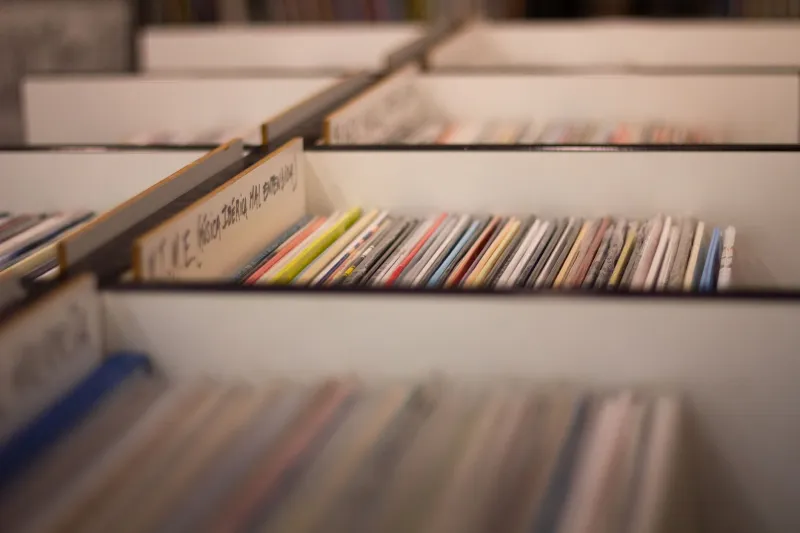
In 2026, while album campaigns get longer and pressing plants get busier, the split 7 remains a small, practical handshake: shared cost, shared audience, shared risk. You find them in the S section, filed under one name and then the other, and you buy them because two tracks by two bands you half-know is a better gamble than one track by a band you do not know at all.
Shared risk, shared reward
Talk to anyone who has put one out and the word that keeps coming back is 'co-op'. A split lowers the minimum order problem. It splits the artwork bill. It gives both artists something physical to sell at gigs without asking either of them to carry a full album's worth of stock. Mara, who runs Cold Bath Street Records in Hull, puts it plainly: 'You are not asking one band to carry the whole thing. You are asking two bands to carry half each, and then to tell their mates.'
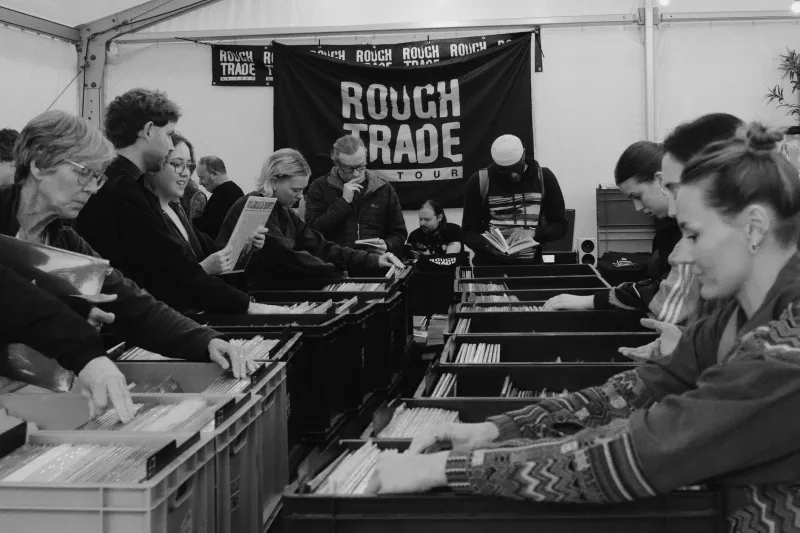
That sounds romantic. It is also arithmetic. A 300-copy run is easier to shift when two audiences are pointed at it. The A-side band brings their people; the B-side band brings theirs. The sleeve becomes a meeting point. Shop staff know this better than anyone. Dev, who works the counter at a Leeds record shop, says split 7s move because they are affordable, local and legible. 'You can hold it up and say, here are two names from the same scene, on one record, for less than a tenner. That is an easy sell.'
Promoters use them the same way. A split release gives a gig bill a physical artefact. It cross-pollinates crowds that might otherwise never share a room. The indie shoegaze lot meet the dub techno lot. The spoken-word artist meets the tape-loop drone person. Nobody has to pretend it is a album. It is a calling card with grooves.
The shop-counter logic
At the counter, a split 7 does a job a full-length cannot: it introduces two names for the price of a pint and a half. In 2026, with postage costs still doing their best to ruin everyone's day, that matters. A split is cheap to post. It fits through a letterbox. It can be bundled with a zine or a sticker. It is a business card you can play.
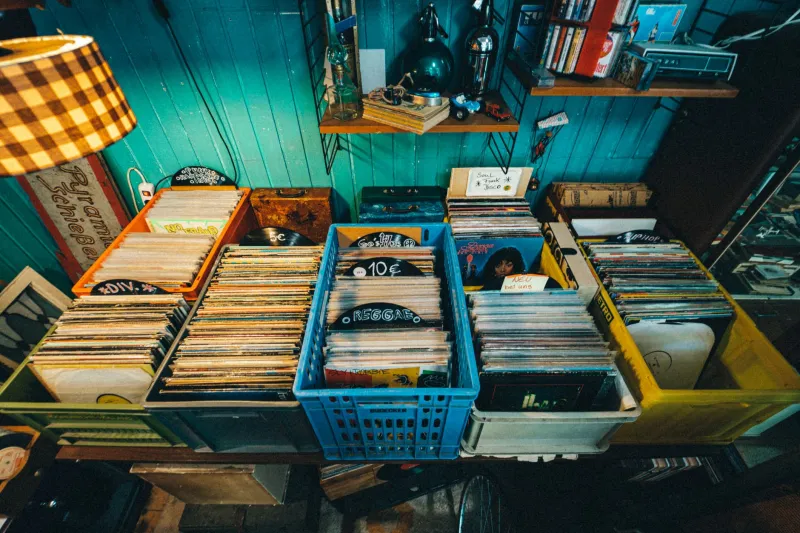
The crate-digging appeal is obvious. Split records often carry the best dead wax in the shop: hand-etched messages, stamped labels, two different design languages crashing into one sleeve. You get the thrill of a double discovery in a single pull. And because split 7s are usually small-run, they disappear quietly. Miss the first pressing and you are in the follow-up queue, which is exactly where underground records should put you.
There is also a useful discipline to the format. Two tracks, one side each. No room for a five-minute intro. No hiding behind a long player's runtime. The split 7 forces artists to put their best foot forward and then get out of the way. That is a good filter. It is also why so many splits end up in the keep box rather than the trade-in pile.
2026 split seven-inches worth the postage
You do not need a big campaign to buy one. You need a shop that files them properly and a few minutes on Bandcamp. These are the 2026 splits currently doing the rounds in UK independent shops and at gig merch tables, all small-run and all worth the postage.
Taxi Rank / Static Orchard — Cold Bath Street Records (Hull/Leeds). Dubby post-punk on one side, tape-loop folk on the other. It should not work. It does, because both tracks share a fondness for space and hiss. The sleeve is a photocopied bus timetable. Perfect.
Latch Collective / Nail Bar — Severnside Seven (Bristol/Cardiff). A dancefloor split with a clear lineage: broken beat on the A, stripped-back bass pressure on the B. Buy it if you play out and want something that sounds like two cities talking to each other through a shared rig.
Midgie Bite / Loose Wire — Bleach Pigeon (Glasgow/Manchester). Fuzz, feedback and a B-side that sounds like a practice room falling down a stairwell. The kind of split that makes sense on a Friday night and even more sense on a Sunday morning when you are trying to remember what you bought.
Fenland Repeater / Salt Marsh — Reed Bed Tapes (Norwich/Brighton). The quiet one. Long tones, field recordings and a B-side that edges toward ambient without going full scented candle. Buy it for the sleeve alone, then play it twice.
The handshake clause
The split seven-inch is not nostalgia. It is infrastructure. It lets two artists share a bill, a bill-payer and a bit of each other's audience without signing over a year of their lives. It gives shops an affordable point of entry. It gives promoters a physical excuse to pair acts that might otherwise stay in their lanes. And it gives the rest of us a record that feels like a handshake you can actually hold.
So next time you are flipping through the S section and a sleeve with two names and no logo catches your eye, pull it. Check the dead wax. Ask the person behind the counter who pressed it. The split 7 is still UK underground music's best handshake in 2026, and it is still sitting there, waiting to be played.