Cheap Strings, Heavy Grooves: Six Classical UK Pressings Built for Sampling
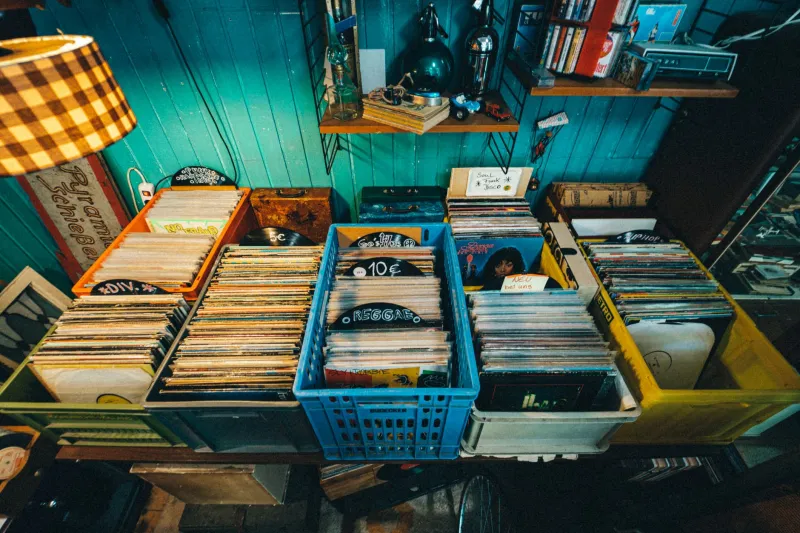
Walk into almost any UK record shop in 2026 and you will find the same scene: a jazzed-up queue at the soul and hip-hop sections, and a classical bin so quiet you can hear the fluorescent tube hum. That bin is not a wasteland. It is a sampler's playground. For £2 or less, you can walk out with strings, brass, harpsichords, choirs, weird stereo experiments and the kind of silence between movements that makes a perfect loop tail. The jazz mob has not fully clocked it yet. Good. More for us.
Why Classical LPs Are Sample Gold
Most dance and hip-hop records are built to be busy. Classical records are built to breathe. You get long sustained notes, isolated instruments, dramatic pauses, odd time signatures and dynamics that move from a whisper to a wall of sound without a drum break getting in the way. For a producer, that is freedom. You can chop a cello phrase, pitch it down, add a kick and have something that sounds like it cost more than the record did.
The other thing is stereo. A lot of these cheap UK classical pressings were made when stereo was still a novelty, and engineers loved showing it off. Instruments hard-left, instruments hard-right, percussion bouncing across the speakers. For sampling, that separation is a gift. You can isolate a harp or a French horn just by panning.
And the supply is endless. Classical collections get donated to charity shops, dumped at car boot sales and auctioned off in provincial salerooms every week. Shops price them low because they sit. That is the arbitrage.
Six UK Pressings Worth Pulling
1. Decca Phase 4 Stereo
Easy first stop. The Phase 4 series was Decca's show-off stereo line, all brass, percussion and dramatic arrangements. Look for anything with 'Percussion', 'Spectacular' or 'Brass' in the title. The surfaces are usually decent and the stereo separation is almost comically wide. One Leeds beatmaker told me he found a Phase 4 LP of Russian orchestral music for 50p and built three tracks from one side. The covers are often knackered; the vinyl usually is not.
2. Classics for Pleasure (CfP)
The green-and-white CfP label is everywhere and almost always cheap. It was a budget imprint, but the pressings are often surprisingly clean. Hunt for Dvořák, Grieg, Tchaikovsky and anything with 'Dances' or 'Suite' in the title. The performances are not always first-choice, but for sampling you do not need a legendary conductor. You need a clean groove and an interesting phrase. CfP delivers both for the price of a coffee.
3. Music for Pleasure (MfP)
MfP was the supermarket classical label, and that is exactly why it is interesting. You get orchestral easy listening, light classics, brass bands and the occasional oddball arrangement. The sound can be a bit boxy, which is fine — a little grit sits well under a beat. Look for the orange-and-black sleeve design and check the vinyl carefully, as these were often played at family parties.
4. Decca Eclipse
Eclipse reissued older mono and stereo recordings in cheap sleeves. Some collectors turn their nose up at them; samplers should not. The mono pressings can be warm and punchy, and the quiet passages are often less fussy than later digital remasters. Check for the Eclipse logo and give the first minute of each side a listen if the shop has a deck. If not, buy it anyway at £2 and take the risk.
5. Marble Arch
A proper budget-label wildcard. Marble Arch put out brass bands, organ records, light orchestral sets and all sorts of strange corners of the classical catalogue. The covers are often dull, which keeps the price down, but the grooves can be full of useful textures: humming organs, massed strings, marching-band snare. Dig for anything with a military band or a cathedral organ. Weird is good.
6. HMV Concert Classics
The green HMV Concert Classics label is another cheap staple. You will find concertos, overtures and suites, often in decent condition because they were bought by people who treated them carefully. Look for violin and piano concertos — the solo lines are perfect for chopping. Avoid copies with heavy library stickers if you can; the glue and the wear are not worth the hassle.
How to Grade a Classical LP Without Knowing Your Bruckner from Your Brahms
You do not need a classical education. You need a torch, a turntable and a bit of nerve.
- Ignore the composer. Look at the vinyl. Bright light, angle the record, check for scratches and scuffs. A few light hairlines are fine. Deep gouges that you can feel with a fingernail are not.
- Check the spindle marks. Lots of marks means it was played a lot. That is not automatically bad — it might mean it was loved — but it increases the chance of surface noise.
- Look for warps. Hold the record up to the light and sight along the edge. A visible wave is a problem unless you have a clamp and a lot of patience.
- Play the first minute of each side. Quiet classical passages expose noise. If the shop has a listening deck, use it. If not, ask. Most independent shops will let you check a £2 record.
- Avoid ex-library copies with heavy stickers and worn sleeves. The sleeve condition matters less than the vinyl, but water damage and mould can spread.
- Do not pay more than £3. The whole point is that this bin is cheap. If a shop starts pricing classical LPs at £8 because 'the DJs are buying them', walk away. There are thousands more out there.
The Shop Floor View
One London shop worker told me the classical section is the last part of the shop where he does not have to answer questions about pressing plants or represses. 'People come in for the jazz reissues and ignore the classical,' he said. 'Then one day a kid with a sampler buys twenty LPs for forty quid and I realise the secret is out.'
Not quite out yet. The jazz mob is still busy. The classical bin is still quiet. Take advantage while it lasts. Buy six, take them home, play the first thirty seconds of every side and see what sticks. One good loop pays for the lot.
Don't Sleep on It
The £2 classical bin is not a museum. It is a source. Treat it like a crate, not a history lesson. Dig for surfaces, textures and strange sounds rather than famous names. And if you find a Decca Phase 4 with a battered sleeve and a clean groove, do not hesitate. The jazz mob will wise up eventually. Until then, the strings are cheap and the grooves are heavy.