One Spin to Buy: Why the Shop Turntable Is Still the UK's Sharpest A&R
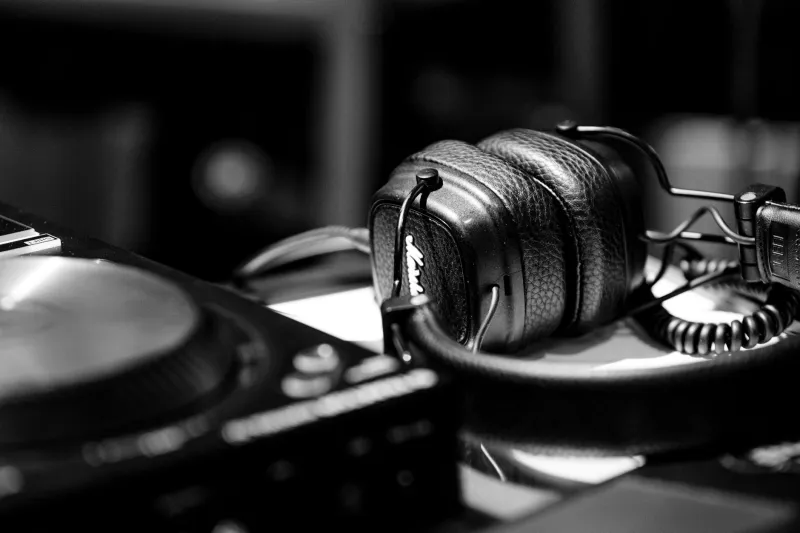
Walk into any half-decent UK record shop and you'll find it: a turntable wedged between the 'New In' rack and the counter, a pair of headphones with one earpad held together by electrical tape, and a handwritten note that says 'ASK STAFF'. The listening station is the least glamorous piece of kit in the shop. It's also the most important.
A Deck, Two Cans, and a Sticky Note
At Wax & Wane in Leeds, the station is a Rega Planar 1 that has been on the floor since 2019. 'We've had folk bring their own headphones,' says owner Marnie. 'That's fine. But the ones we keep here? They've heard more records than I have.' The setup is deliberately simple: a decent cartridge, a clean stylus brush, and a sign taped to the wall that reads 'One record at a time. Ask if you need a hand.'
That last bit matters. The sticky note is not a suggestion. In a shop where the staff know the stock better than any algorithm, the listening station is a conversation starter disguised as a piece of furniture. 'People think they're bothering us,' says Dev, who runs the counter at Haggle Vinyl in Bristol. 'They're not. If you're holding a record and you look puzzled, we want to help. That's the job.'
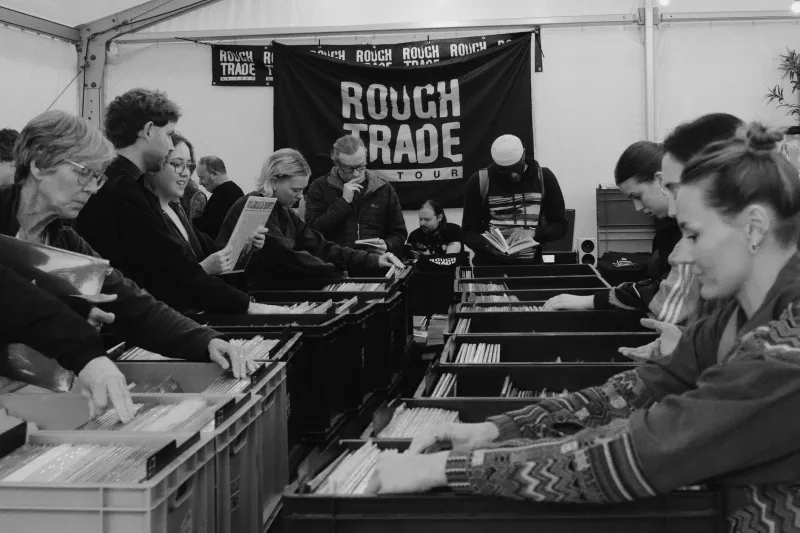
The station itself is a leveller. A teenager with a reissue and a collector with a first pressing use the same deck. Nobody gets to skip the queue because they've got a better turntable at home. The shop's headphones are the great equaliser: if it sounds good through those, it'll sound good anywhere.
Etiquette Is Everything
There is an unspoken code to the listening station, and regulars know it. One record at a time. Don't hog the deck when there's a queue. Wipe the stylus, don't slam the lid, and never — ever — scan a record on Discogs while you're holding the headphones. 'I've seen people do it,' says Priya, a regular at Spindle & Groove in Glasgow. 'They'll be standing there with the cans on, phone in one hand, checking prices. It's like watching someone take a phone call in a cinema.'
The best shops enforce a gentle version of this. At The Basement in Norwich, there's a small sign that says 'Spin first, decide second.' It's a reminder that the listening station is not a price-checking booth. It's a place to give a record a fair hearing. 'We've had records that sat in the rack for months,' says owner Colin. 'Then someone puts them on, and suddenly three people want a copy. That's the station doing its job.'
The Records That Only Sell After One Spin
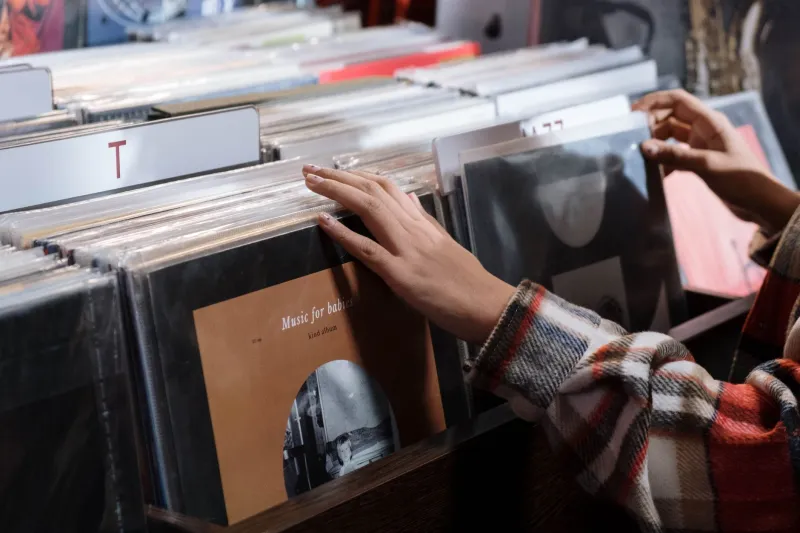
Every shop has them: the records that don't photograph well, don't fit neatly into a genre, and don't get a fair shake from a quick flip through the sleeve. Private-press folk from the late Seventies. White-label 12s with no artist name. A jazz LP with a sleeve that looks like a school project. These are the records that live or die by the listening station.
'We had a copy of a 1978 private-press folk record in the shop for about six months,' says Marnie. 'Lovely sleeve, terrible photo on the front. Nobody picked it up. Then a regular asked to hear it, and within a week we'd sold three more copies from the same batch.' The record didn't change. The context did. One spin turned a wallflower into a sale.
The same thing happens with dance 12s. A white label with a stamped sleeve is never going to win a beauty contest, but put it on the deck and the bassline does the talking. 'We get a lot of reissues in,' says Dev. 'Some of them are obvious. But the ones that surprise people? Those are the ones that sell after one spin. You can see the moment it clicks. The head starts nodding. The hand goes up to the counter.'
Why It Beats the Algorithm
Streaming gives you thirty seconds and a skip button. The listening station gives you a side of vinyl and a pair of headphones that smell faintly of the last person who wore them. There's no preview window, no 'related artists' sidebar, no algorithm nudging you towards something safer. There's just the record, the deck, and your own ears.
That's why the station remains the UK's most honest filter. It doesn't care about hype, pressing plant delays, or how many likes a record has on social media. It cares about whether the music holds up when you're standing still. 'People trust their ears more than they trust a review,' says Colin. 'And they trust their ears more than they trust us, which is fair enough. We're biased. We bought the stock.'
The station is also a reminder that record shopping is a physical, social thing. You can't Shazam a record you're holding in your hands. You have to ask. You have to listen. You have to make a decision. That's the whole point.
Ask for a Spin
So next time you're in a shop and you see a record you don't recognise, don't just flip past it. Ask for a spin. The deck is waiting, the headphones are battered, and the sticky note is still there. The listening station isn't a gimmick. It's the scene's best A&R — and it's been doing the job quietly for decades. Splid Records approves.