The Rack With a Postcode: How Local Pressing Sections Became the UK's Fastest Crate Shortcut
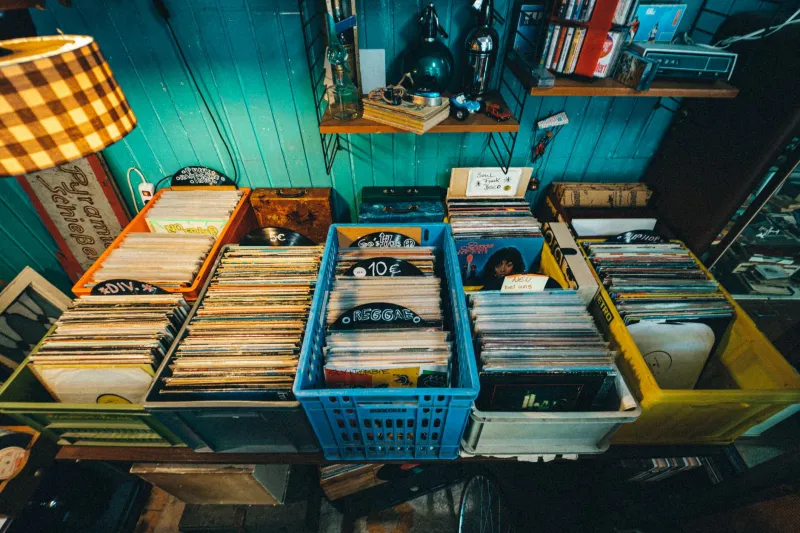
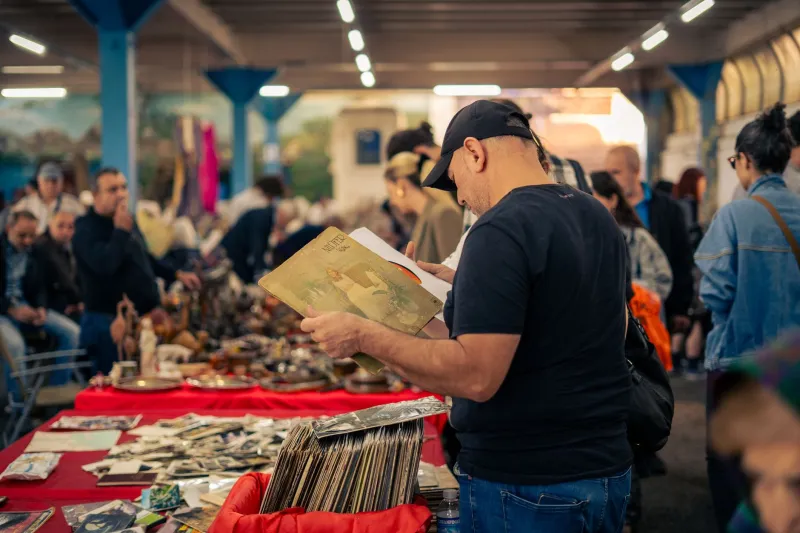
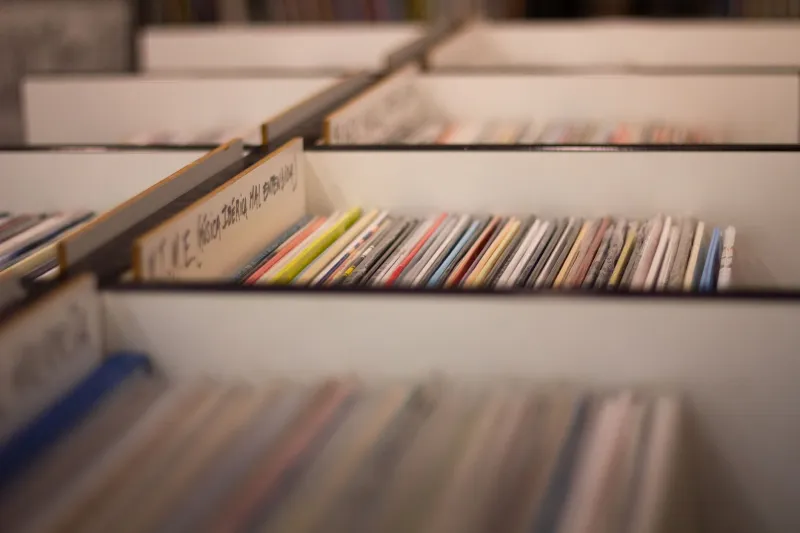
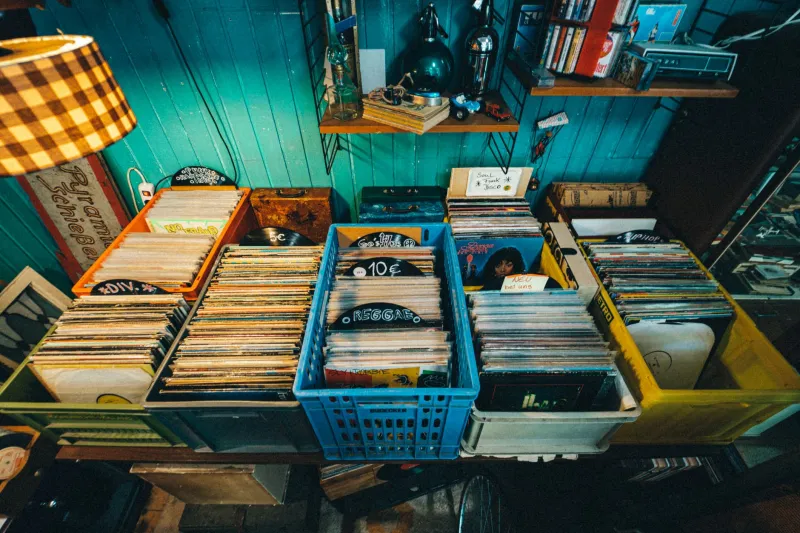
There is a certain kind of UK record shop where the first thing you clock is not the new releases wall or the £50 collector shelf. It is a modest rack, often near the counter, with a hand-written card that says something like: Local Press Only — 25 Mile Radius. No national distributution. Ask if you need context.
That card is doing more work than it lets on. Across the UK in 2026, shops are carving out space for records that were pressed, issued, printed or sleeved close to home. Not a novelty bin. Not a charity-shop-style curiosity corner. A working section, refreshed weekly, argued over by staff, and increasingly treated by collectors as the first place to look rather than the last.
The Postcode Is the Point
The appeal is not simply that these records are rare. Plenty of them are not rare at all — private-press folk LPs from the 1980s, tiny-run punk seven-inches, white-label dance twelves, cassette-to-vinyl reissues, school-project jazz, hospital radio compilations, the lot. The appeal is that the rack has a postcode. It tells you something about where you are standing.
A local pressing section is a map disguised as a bin. You can see which studio was cutting lacquers, which printer was doing sleeves, which pub was putting on the launch night, which label was bankrolling the whole strange operation. In a national rack, a record from a nearby town can disappear into the general noise. In a local rack, it becomes evidence.
Staff at a Sheffield shop tell me the section started as a way to stop local records getting buried in the general second-hand flow. Now it is the first rack they check when a collection comes in. A Leeds shop runs a stricter version: records must have been pressed or issued within roughly an hour's drive, and the sleeve has to carry a local address, phone number or studio credit. A Glasgow shop stretches the radius for island pressings but keeps a separate card for anything released more than 100 miles away. The rules are not uniform. That is part of the fun.
What Actually Lands in the Rack
The contents are gloriously uneven. On any given Saturday you might pull a 1970s brass band LP recorded in a church hall, a 1990s jungle white label with a local pirate-station stamp, a modern jazz seven-inch from a label run out of someone's spare room, and a hand-stamped acid 12 that has never been further than the nearest record fair.
Because the criteria are local rather than genre-based, the rack refuses to behave like a normal section. It is not jazz, not punk, not dance. It is a cross-section of whatever the area has actually made. That makes it one of the few places in a shop where a folk collector, a rave digger and a post-punk completist can end up pulling from the same divider.
What turns up most often? Private-press LPs from the 1980s, charity-shop-bound choral records, local label samplers, and seven-inches from bands who played three gigs and split. But the real joy is the in-between stuff: demo compilations, youth-club fundraisers, hospital radio records, council-run arts projects, and sleeve designs that look like they were photocopied in a hurry because they were. These are not just records. They are local documents with grooves.
Curation Is the Whole Game
A local rack only works if someone is actually curating it. Left alone, it becomes a dumping ground for anything with a vaguely regional address and a £3 price sticker. Done properly, it is an editorial act.
One Bristol shop keeps a notebook behind the counter listing local labels, studios, pressing plants and sleeve printers. When a collection arrives, staff use the notebook to spot records that belong in the local rack rather than the general second-hand section. A Newcastle shop runs a monthly swap: staff bring in one local record from their own collection, explain why it matters, and the best one goes in the rack with a short handwritten note. That kind of thing sounds small. It is not. It gives the section a voice.
Collectors have noticed. Diggers who used to head straight for the new arrivals now start at the local rack because it is the fastest way to understand a shop's personality. A generic second-hand section tells you what the shop bought. A local rack tells you what the shop knows.
A Map Made of Sleeves
The wider effect is that regional pressings are starting to be read as a living scene map rather than a nostalgia trip. A run of seven-inches from one town can reveal a studio, a venue, a label and a handful of bands that all orbited each other. A private-press LP can point to a pressing plant that also cut records for three other local outfits. Pull enough threads and the rack starts to look like a social history of the area, pressed into vinyl.
That is why the best local sections do not stop at the record. They add context: a photocopied label history, a venue flyer, a short note about the studio. Not a museum display — just enough to connect the dots. The result is a section that rewards close reading as much as quick flipping.
The Shortcut Is the Point
For crate diggers, the local rack is a shortcut in the best sense. It narrows the field without narrowing the surprise. You are not scrolling through thousands of national pressings hoping for a local glint. You are starting with the glint. And because the records are often cheap — many are still priced at charity-shop money — the risk is low and the education is high.
So next time you are in a UK shop and see a small rack with a postcode on it, do not skip past it on the way to the big sections. Start there. Pull five records at random. Read the sleeve credits. Ask the staff why that one made the cut. You are not just digging for records. You are reading the area, one pressing at a time.