Free, Stapled, Unfiltered: Why the Shop-Counter Zine Still Runs UK Underground Music
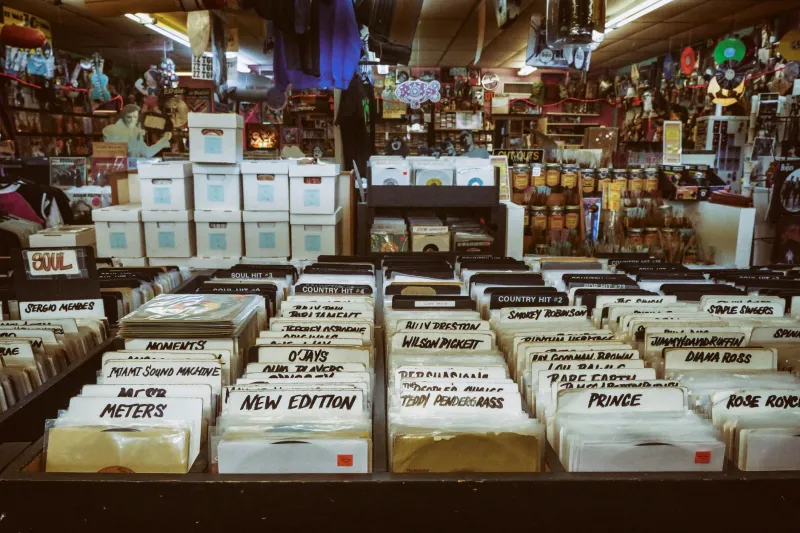
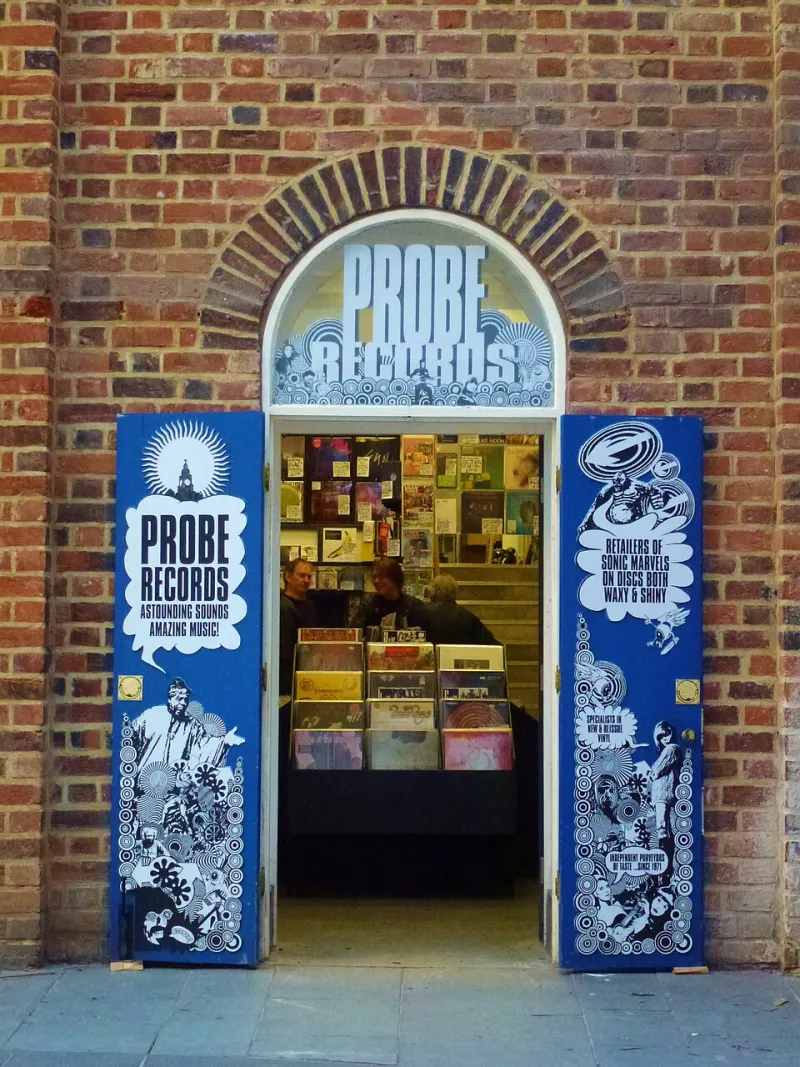
The first thing I do in a record shop is not flick through the jazz section. It is check the free-zine rack by the till. Nine times out of ten it is a plastic tray, a wire basket or a shelf held together with gaffer tape. It is also the most alive part of the shop: a mess of A5 sheets, hand-drawn gig maps, tape reviews, badly stapled interviews and a few copies of something that looks like it was printed in someone's kitchen at 2am. Good. That is exactly the point.
In 2026, the algorithm knows what we bought last month. It does not know what the sound was like at a pub back room in Bradford on a wet Tuesday, or why the support band's cassette is worth your last tenner. A fanzine does. It is cheap, urgent and local in a way that no streaming platform can fake. And in independent record shops across the UK, the zine rack is still doing the work of a whole regional music press.
The rack by the till is still the front page
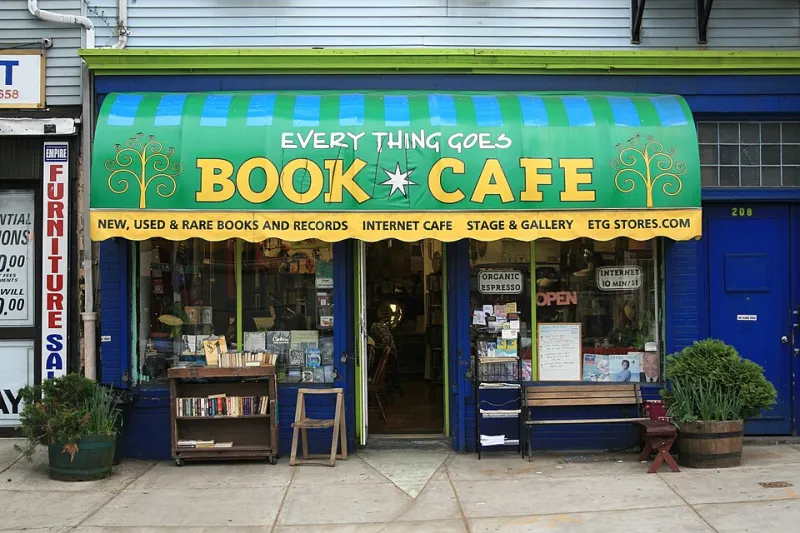
Talk to shop owners and the same story comes back. The rack is not a decoration. It is a service. A Leeds shop has kept a free-zine tray by the counter for years, stocked by whoever walks in with a stack under their arm. A Bristol shop keeps a low plastic box near the door with a handwritten sign: take one, leave one if you can. A Glasgow basement shop has a shelf of local punk and electronic zines next to the listening station, which is either chaos or perfect curation depending on how much time you have.
Print runs are usually small. Fifty copies. A hundred if the zine has ads from local cafés or a label chipping in for photocopying. Some are free. Some ask for a donation. Some are swapped for a pint, a record or a promise to review the next gig. The economics are not the point. The point is that a zine can respond to a scene in days, not months. A release gets reviewed before the launch gig. A venue closure gets documented while the benefit night is still being planned. A new tape label gets interviewed when it has three releases and a borrowed duplicator.
That speed matters. So does the geography. A national magazine cannot tell you that the best record shop in town has moved its gigs to the back room, or that the bus to the industrial estate stops early on Sundays. A fanzine can. It is edited by someone who was there, and that is a different kind of authority.
What is actually on the racks this winter
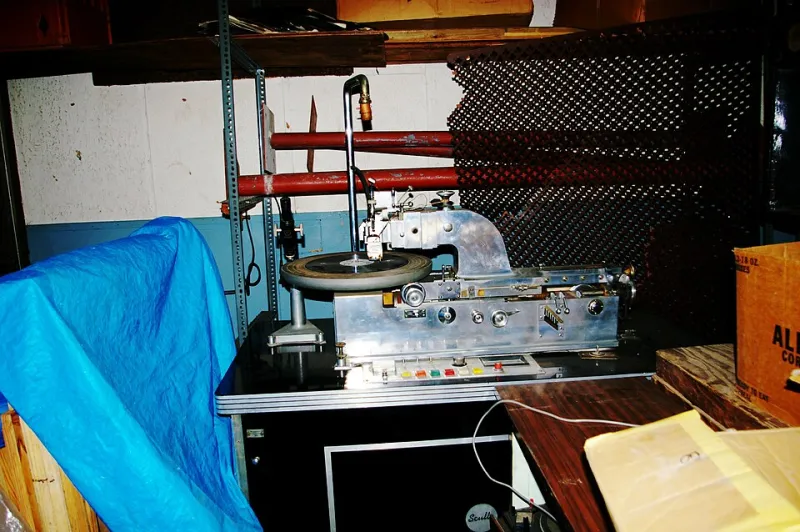
The winter crop is always good. Gigs move indoors, people spend more time indoors, and someone inevitably decides to staple their thoughts together. This season's racks are full of local gig listings, tape and seven-inch reviews, interviews with lathe cutters, scene reports from places that rarely get a look-in, and the kind of hand-drawn flyers that make you want to go out even when it is freezing.
One Sheffield zine is devoted entirely to B-sides and bonus tracks, which is either deeply crate-digger behaviour or a public service. A Manchester newsletter lists free gigs, cheap eats and the best bus route between two venues. A Cardiff photocopy rag has a regular page on Welsh-language releases that never make it onto the usual shop shelves. A Dundee zine is mostly interviews with people who run tiny labels from their bedrooms. None of it is slick. All of it is specific.
That specificity is the selling point. The best zines are not comprehensive. They are opinionated. They will tell you the sound was rubbish and the support band saved the night. They will draw a map to a venue that is technically a social club and practically a maze. They will review a record by someone's mate and admit it. You do not get that from a playlist.
The economics of a stapled thing
A zine is cheap to make and expensive to keep making. Photocopying is pennies per side if you know where to go. Staples are cheap. The time is not. Zinesters talk about folding, collating, trimming and distributing as a second job. A run of 100 copies might go 40 to shops, 30 to gigs, 20 to a distro and 10 to mates. Postage is the killer. So is the weather. Nobody wants their paper goods pulped in a rucksack on the way to a show.
That is why the record shop rack matters. It is a distribution network with a door and a kettle. Shops take a risk by giving up counter space, but they get something back: a reason for people to linger, a connection to the local scene, and a steady supply of reading material for the staff. Labels use zines as release notes, tour diaries and scene reports. Artists use them as a way to say something longer than a social post. The format is humble. The function is not.
Why it beats the feed
Algorithms recommend based on what you have already done. A zine recommends based on what someone is obsessed with right now. That is a healthier model. It also leaves a record. A stack of zines is an archive of a winter: who played where, what got released, which venue was under threat, which label was just starting out. In years to come, those photocopies will be primary sources. The feed will be gone.
There is also the simple pleasure of the object. A zine smells of toner. It has crooked staples. Someone has drawn on the cover. You can read it on the bus, pass it to a friend, leave it in a café and hope it travels. It does not ask for your email address. It does not autoplay. It just sits there by the till, waiting for someone to pick it up.
Where to find them this winter
Start with your local independent record shop and ask at the counter. If there is no rack, ask why. Some shops keep zines behind the till because they get nicked. Some keep them in the window. Some only put them out for gigs. All of them will know who is making them. Then check gig merch tables, label distros and the free tables at all-dayers. Zine fairs are worth the trip, but the best finds are usually the ones you were not looking for.
If you make a zine, print a few extra and leave them in shops. If you run a shop, build a rack with a brick on top so it does not blow away. If you are just browsing, take one, read it, and put a quid in the donation jar if there is one. The shop-counter zine is not a nostalgia project. It is the scene talking to itself, in staple form, right now. Long may it stay smudged.