First Cut, Hard Decisions: A Ten-Copy Test Pressing Diary from a UK Label
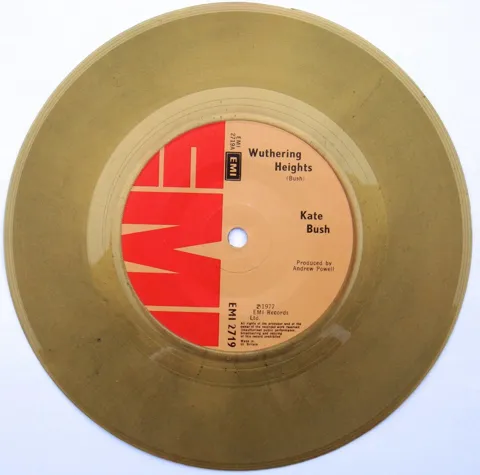
Photo: Mike, CC BY-SA 2.0, via Wikimedia Commons
Test pressings have a reputation problem. On resale sites they are holy relics, listed with breathless descriptions and prices that suggest they sound better than the finished record. In the actual business of putting out a record, they are something far more useful: a working document. A test pressing is the first time the music has to survive a needle, a QC check and a label's nerves. It is less trophy, more receipt for care.
To see how that works in 2026, I tagged along with Bent Corner Records, a two-person imprint operating out of a shared workspace in Leeds. They have a seven-inch by Harrow & The Loose Ends ready to go: two tracks, a hand-stamped sleeve and a planned run of 300 copies. Before any of that can happen, they have ordered ten test pressings from a plant on the edge of the city. Ten copies. Not one, not five. Ten gives you enough to compare, enough to send out, and enough to accept that one bad copy does not always mean a bad batch. Names have been changed at the label's request, but the process is real enough.
Ten copies, one truth
The box arrives on a Tuesday. Inside are ten white-sleeved records with plain labels, each one numbered in pencil by the plant. They look unfinished because they are unfinished. The label copy, the artwork and the shrink-wrap are all still to come. What matters now is whether the grooves are clean, whether the record sits flat, and whether the cut sounds like the master everybody agreed on three months ago.
Label co-owner Maz lays them out on a table like a hand of cards. One copy goes to the mastering engineer. One goes to the band. One stays sealed as a reference. Two go to trusted DJs who will play them out and report back. One goes to the plant's own QC file. The rest are for the label to audition, re-audition and mark up. 'People think we are looking for perfection,' Maz says. 'We are looking for faults. There is a difference.'
The first thirty seconds
Mastering engineer Priya has a checklist that starts before the music does. She drops the needle into the run-in groove and listens. Is there a roar? A tick? Does the record dish upwards at the edge? Does the spindle hole grip too tight or sit loose? She checks the lead-in, the gap between tracks and the run-out. Then she plays the whole thing at a sensible volume, and again louder, and once more through headphones.
The first thirty seconds tell you plenty. A warp might show as a gentle whoosh as the stylus rides the wave. An off-centre pressing will make the pitch wobble on a sustained piano note. Non-fill, that dreaded stitching noise where the vinyl has not quite filled the stamper, often shows up on the first loud passage. 'You are not listening for vibe,' Priya says. 'You are listening for repeatable problems. If I hear a click once, I note it. If I hear it in the same place on three copies, we have a conversation.'
Marking up the sleeve
The white sleeve is the label's notebook. Maz uses a pencil, not a pen, and writes timestamps in the corner. S1T1: tiny tick at 1:48. S1T2: vocal sibilance hot. S2T1: slight swish in run-in. S2T2: check channel balance at 2:10. Each copy gets a sticker: green for playable, amber for check again, red for stop. The band's copy comes back with different notes, because they are listening to performances and mixes, not just surfaces. The DJ copies come back with the only feedback that really matters: does it hold up when you cue it in a dark room at 2am?
This is where the test pressing becomes a social object. It gets posted to the mastering engineer, handed over in a pub, played on a mate's deck and marked up by three people with different ears. The label keeps a spreadsheet. Copy one: clean. Copy two: tiny mark, non-repeatable. Copy three: warp at edge, audible on first track. Copy four: fine. By the end of the week, patterns emerge.
The 300-copy question
A 300-copy run is not a fortune, but in 2026 it is not a rounding error either. Add mastering, plating, test pressings, labels, sleeves, shipping, VAT and the possibility of a repress, and the risk adds up. The test pressing is cheap insurance against a costly mistake. The question is not 'is this perfect?' It is 'is this good enough to put our name on, and will the next 290 copies be like this one?'
Plant staff are blunt about this. 'We can make a test pressing that is technically fine and still have a record that does not suit the music,' one QC technician tells me. 'Dance music needs different things from a folk record. A loud cut might need more space. A long side might need a lower level. The test pressing is where you find out if the cut matches the use.'
Bent Corner's decision comes down to three things. First, are the faults isolated or systemic? One cosmetic mark on one copy is not a reason to stop. Three copies with the same distortion is. Second, is the problem in the cut or the pressing? If the mastering file is hot, a repress will not save you. Third, can the label live with it? A tiny tick in a quiet intro might be acceptable on a 300-run DIY release. A skip in the chorus is not.
What separates good from great
A good pressing is quiet, flat, centred and consistent. A great pressing disappears. You stop thinking about the vinyl and start thinking about the music. The run-in is silent, the gap between tracks is black, the vocal sits where it should, and the run-out does not sound like a chip fryer. You do not notice any of this until you play a bad one.
After a week of listening, Bent Corner gives the go-ahead. Two copies are kept back for the archive. One is framed for the band. The rest go back in the box with the notes inside. The 300-copy run is ordered, and the label waits for the finished records to arrive. Somewhere down the line, a crate-digger will pull this seven-inch out of a charity-shop box, play it, and never know about the ten white sleeves, the pencil marks or the Tuesday morning when a small Leeds label held its breath. That is the point. The test pressing is not the trophy. It is the work that makes the trophy worth owning.