Warehouse Gold: The UK Labels Giving 1990s Dance 12s a Second Spin

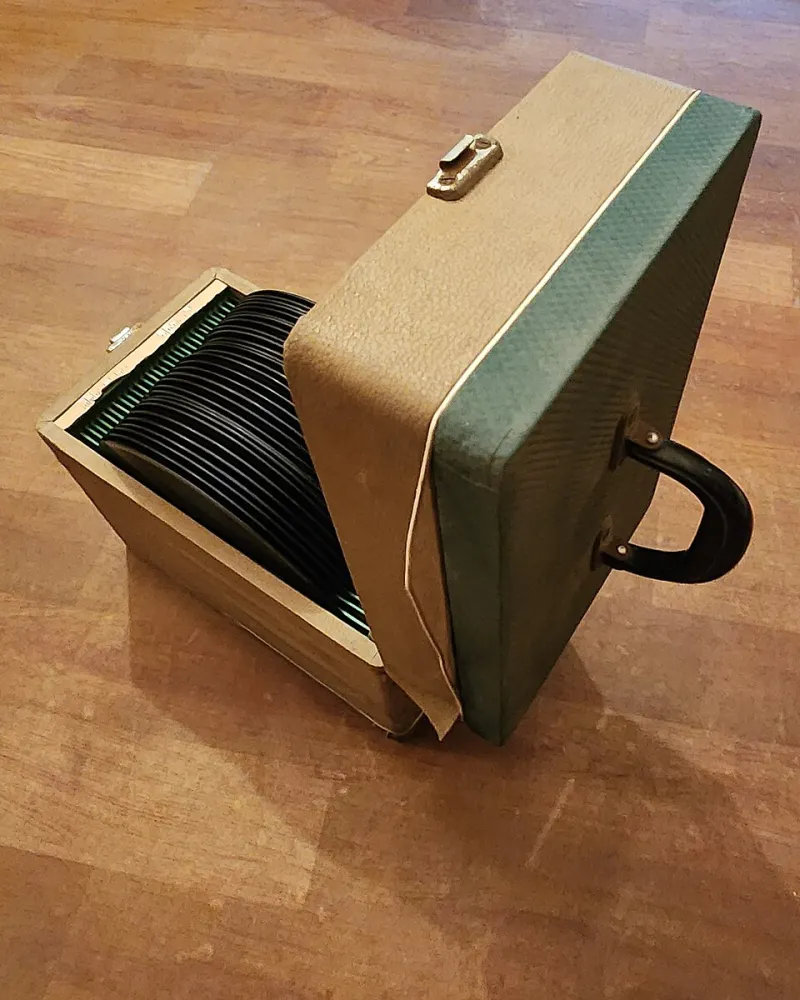
Photo: Reinhold Möller Ermell, CC BY-SA 4.0, via Wikimedia Commons
Most reissue stories start in a warehouse. This one starts with a leaking roof in Croydon. Nadia Clarke, who runs North Circular Archive, had been tipped off about a storage unit full of 1990s dance 12-inches: house, jungle, a bit of garage, all of it sitting in damp boxes since the original distributor went under. She spent three weekends sorting through it with a torch and a portable turntable.
'It was not glamorous,' she says. 'It was mould, water damage and a lot of records that should have been binned. But every twenty boxes or so you would find something that made you stop.'
That is the reality of the UK reissue scene in 2026. The 1990s dance 12-inch is having a quiet, crate-led revival, and the people behind it are not major-label archivists. They are collectors, DJs and small-label owners who know the records, know the dealers, and are willing to spend months chasing a rights holder who may or may not still have a working email address.
Dead stock isn't dead
Dead stock gets a bad name. For a certain kind of crate digger, though, it is the beginning of the story. Unsold copies, returned stock, warehouse overruns: these are the physical remains of a period when dance music moved fast and pressed thousands of copies that did not always find a home.
Clarke's label specialises in house and garage from the mid-to-late 1990s. She is not interested in the obvious anthems. She wants the B-sides, the dubs, the tracks that were pressed once and then forgotten. 'The big records have been reissued already,' she says. 'The interesting stuff is in the margins.'
The margins are where the licensing maze begins. A single 12-inch can involve master rights, publishing rights, artwork rights and a label that may have been absorbed into another label that may have been absorbed into a catalogue that is now owned by a company with no interest in dance music. A 1993 white label can have three claimants and one phone number that no longer works.
The licensing maze
Licensing a 1990s dance record is rarely a case of finding one person and shaking hands. The master recording might belong to the original label. The composition might belong to a publisher. The producer might have signed away their rights in a deal they no longer remember. The vocalist might be uncredited. The artwork might be owned by a designer who has moved to Spain.
'You learn to be patient,' says Tom Ridley, who runs Basement Pressure, a Leeds-based label focused on jungle and hardcore. 'Some of these records are orphan works in all but name. You have to trace the chain. You have to find the people who were there. Sometimes you have to accept that a record you love is not licensable.'
Ridley has had successes. His label's 2026 reissue of a 1994 jungle EP took two years to clear. The original label had folded, the master tapes were missing, and the best source was a clean copy of the original 12-inch. He had the record professionally transferred, remastered for vinyl, and pressed with the original artwork restored from a scan.
'It is not the same as having the tapes,' he says. 'But it is close. And it means the record is back in the world.'
Three labels to watch
North Circular Archive, Basement Pressure and Bristol's Stepback Sound are three of the small labels doing this work in 2026. Each has a different approach. Clarke's label is meticulous, with detailed sleeve notes and a focus on house and garage. Ridley's is faster and rougher, with an ear for jungle's darker corners. Stepback Sound, run by DJ and collector Aisha Bello, specialises in garage and speed garage, often reissuing records that were only ever available on white label.
'There is a generation of DJs who have heard these records in sets but never seen a copy,' Bello says. 'They know the tune but not the label. They know the vocal but not the producer. Reissuing is a way of filling in the gaps.'
Stepback Sound's 2026 schedule includes a reissue of a 1998 garage 12-inch that Bello found in a Bristol record shop's back room. The shop had bought a collection from a former DJ and never sorted it. The record was still in its shrink wrap, unplayed. 'That never happens,' she says. 'Usually they are battered.'
2026 reissues worth a bag space
The results are starting to land in shops. Here are three 2026 reissues that deserve a look.
- Unknown Artist – 'Deep Frequencies EP' (North Circular Archive). A four-track house 12-inch from 1996, originally pressed in tiny numbers. Warm, deep and slightly rough around the edges, with a dub that has been getting played by the right people.
- Mara J – 'Night Bus' (Stepback Sound). A speed garage vocal cut from 1998, remastered and repressed with the original artwork. The B-side dub is the one.
- Kettle & Spanner – 'Warehouse Dub' (Basement Pressure). A jungle roller from 1994, sourced from a clean original copy and cut loud. No frills, no bonus tracks, just the tune.
None of these are going to trouble the charts. That is not the point. The point is the record bag, the dancefloor, the moment when a tune that was lost comes back. The reissue labels are not museums. They are supply lines.
The future of the past
The licensing maze is not getting easier. Some rights holders are hard to find. Some are not interested. Some want more money than a small reissue can afford. But the appetite is there. In 2026, UK record shops are full of reissues, and the good ones are selling.
Clarke thinks the next few years will bring more obscure records back into circulation. 'There is still so much out there,' she says. 'Warehouses, attics, spare rooms. People are still finding things.'
For crate diggers, that is the promise. The 1990s are not finished yet. They are still in the racks, waiting to be pulled out, cleaned up and played again.