Cardboard Flaps and Seven-Inch Clues: Advent Drops Hit the UK Shop Floor

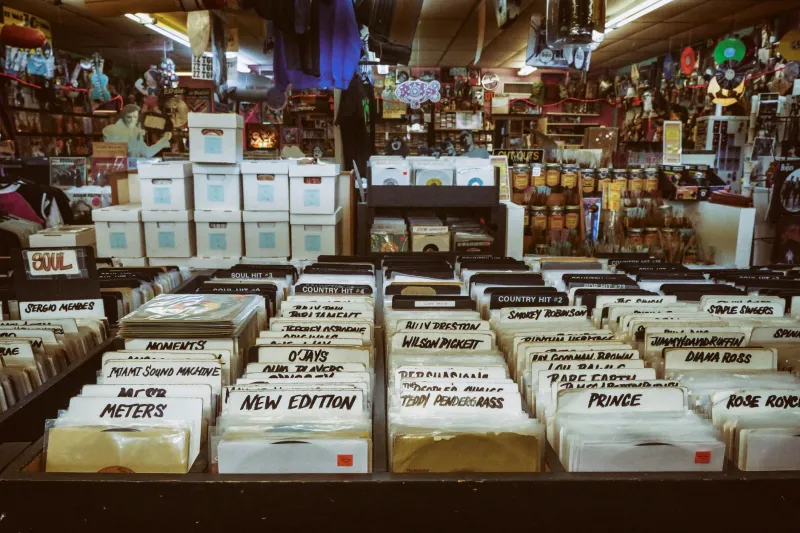
December in a record shop used to mean tinsel, a bin of reduced CDs and someone asking if you have the new Coldplay in stock. This year, a growing number of independent UK shops are trying something stranger and more interesting: the advent drop. Behind the counter, or behind a cardboard flap stuck to the wall, there is a daily reveal. Sometimes it is a seven-inch. Sometimes it is a clue. Sometimes it is a listening session at 6pm with the kettle on and a queue that has been building since lunch.
The idea is simple enough. Instead of one big sale or a Black Friday scramble, shops are spreading the love across the month. A limited run of singles, a shop-only lathe cut, a hand-stamped pressing from a local band, a reissue that never quite got its due. Each day has a small door. Each door has a record behind it. In theory, anyway. In practice, it is a test of how well a shop knows its regulars, how fair it can keep things, and whether a tiny daily ritual can survive contact with the internet.
The Seven-Inch Is Doing the Heavy Lifting
The format makes sense. A seven-inch is cheap enough to take a punt on, collectable enough to feel special, and playable enough to justify the trip. It also looks good on a shelf, which matters more than anyone in a utilitarian mood wants to admit. Shops are using the advent format to push local pressings, private press oddities, punk reissues, dub plates and the kind of one-off singles that would otherwise sit in a box under the counter until next summer.
One shop in Leeds has been running a twelve-day version rather than a full twenty-four, with each drop tied to a different local label. Another in Bristol has been hiding the day's clue in its newsletter, not on social media, which means you have to actually read the thing. A Glasgow shop has gone the other way: a physical calendar behind the till, no previews, no reservations, and a strict one-per-person rule. Staff there say the first week was chaos. The second week was a community.
That is the promise of the advent drop. It gives people a reason to come back on a Tuesday. It breaks the habit of the big weekend haul and replaces it with something smaller and more social. But it also asks a lot of shop staff, who have to administer clues, manage allocations, answer the same question forty times a day and still find time to sell records.
The Shop Floor Is the Algorithm
The best versions of this format are unashamedly physical. You have to be in the shop. You have to ask. You have to look at the noticeboard, read the zine on the counter, or hear the staff mention that today's drop is a dub plate from a producer who once played bass in a band nobody remembers. That is not nostalgia for its own sake. It is a way of making the shop the place where the information lives, rather than a feed where the fastest refresh wins.
But no shop can ignore the internet entirely. Most are posting something: a photo of the sleeve, a short clip, a nudge to come down. The tension comes when a post goes wider than expected. A twenty-copy run can disappear in minutes if the wrong account shares it. Regulars who have been in every week suddenly find themselves behind someone in Nottingham who has never set foot in the shop.
A few shops have tried to square this circle. One in Manchester keeps a small allocation for people who have attended at least one in-store listening session that month. Another in London runs a loyalty-card ballot for the rarest drops, with the rest sold first-come, first-served on the day. Neither system is perfect. Both are attempts to reward attention rather than just speed. The argument is not really about records. It is about what a shop is for.
A Regular's Game, With Rules
There is a risk that advent drops become a clique. If you know the staff, you get the nod. If you do not, you get the leftovers. That is not a great look for a scene that claims to be open. The shops doing this well are the ones being explicit about the rules: how many copies, how many per person, whether online reservations exist, what happens if you miss a day. Clarity is kinder than mystery, even in December.
For diggers, the practical advice is straightforward. Ring ahead if you are travelling. Check opening times, because advent hours are not always normal hours. Bring cash, because some shops are keeping the drops off-card to keep them simple. Do not clear the shelf. If there is a one-per-person limit, respect it. If you are only there for the rare one, at least listen to the record that is playing. And if you miss a day, do not take it out on the person behind the counter. They are the one who has to explain the rules for the ninth time before lunch.
There is also a budget question. Twenty-four days is a lot of temptation, especially when each drop is priced to feel like a small treat. A tenner here, fifteen there, and suddenly you have spent the food shop on seven-inches. The smarter shops are mixing price points: a cheap local single one day, a deluxe reissue another, a free zine or poster on a quiet Sunday. The best advent calendars are not just a sales funnel. They are a rhythm.
What It Does for the Scene
The scene report angle is not really the records. It is the footfall. December is a hard month for small shops. Rent is due, deliveries are unpredictable, and everyone is saving for Christmas. A daily drop gives people a reason to keep coming back, and that habit can carry into January. It also gives local labels a shop window that is not a streaming playlist. A hand-stamped seven-inch from a band in the next town can find a buyer because it is sitting next to the till with a handwritten card.
One staff member at a shop in Sheffield told me the best moment was not selling out a run. It was a kid coming in on day six with a list of the first five drops, asking what he had missed and whether he could hear one. That is the version worth protecting. Not the scramble, not the resale listings, not the artificial scarcity. The version where the shop is a place you go because something might happen.
Advent drops will not save the high street. They will not fix pressing plant delays or make rent cheaper. But as a December ritual, they are a good fit for the UK record shop: slightly chaotic, deeply local, and built on the idea that a record is better when you have to leave the house to find it. Twenty-four doors is a lot. Twelve is plenty. Even one good door, opened at the right time, can make a month feel like a scene again.