The Too-Perfect Find: Nine Red Flags UK Shops Check Before a Bootleg Hits the Bin
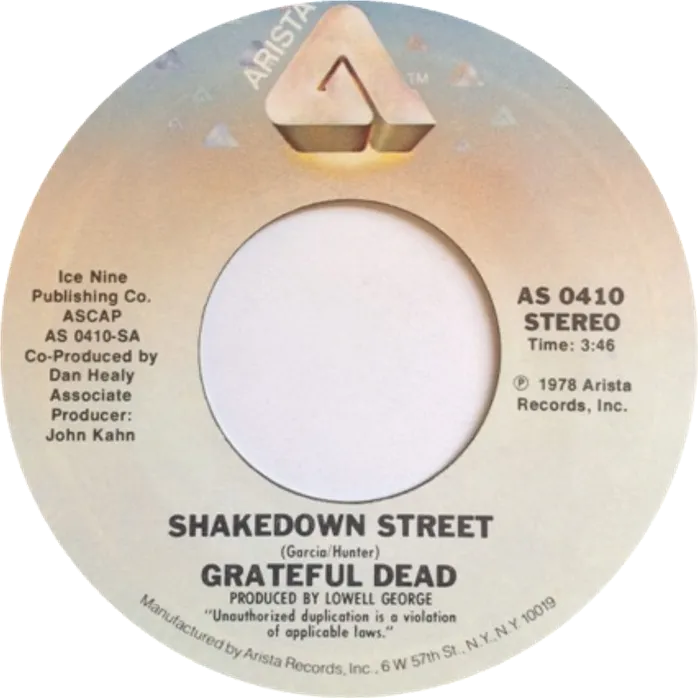
Photo: Arista Records, Public domain, via Wikimedia Commons
There is a particular kind of silence at a UK record shop counter when someone walks in with a mint-looking copy of a rare LP and asks what it is worth. It is not the silence of awe. It is the silence of a dealer doing mental arithmetic while trying not to look too interested. In 2026, the bootleggers have got better. The sleeves are sharper, the shrink-wrap is tighter and the prices are calibrated to feel like a lucky find rather than a warning. The crate-digger’s job is to slow down before the excitement does the buying.
The price is the first matrix
A bargain is not evidence of a bootleg. Shops misprice records every week, private sellers undervalue their own collections and car boot sellers are not Discogs users. But a price that feels wrong in the wrong direction is worth a second look. A sealed copy of a long-deleted UK psych LP for twelve quid in 2026 is not a steal; it is a question. The same goes for a perfectly clean copy of a cult 12-inch that usually turns up with ring wear, scuffed sleeves and a faint smell of old beer. Real records have lived. Too-perfect copies need a reason.
One buyer in Leeds puts it plainly: if the price is low enough to make you nervous, the record is either a genuine bargain or a test. You find out which by looking, not by handing over cash.
Dead wax does not lie, but it can mumble
The run-out groove is still the sharpest tool in the shop. Matrix markings, mother and stamper codes, hand-etched signatures and pressing plant stamps all tell a story. Bootlegs often get the basics right and the details wrong: a missing code, a font that is slightly too modern, a stamped sequence that does not match the known issue. Counter staff keep reference copies and phone photos for exactly this reason. If you are buying from a shop, ask to see the dead wax under a lamp. If you are buying online, ask for a clear photo of the matrix before you commit.
This is not about being a nerd for the sake of it. It is about knowing whether the object in your hand is the pressing it claims to be. A legitimately reissued record is fine. A counterfeit dressed as an original is not.
Sleeves: paper stock, print and the smell of new old
A sleeve can give the game away before the record even leaves the inner. Vintage card has a different feel and age to modern reprint stock. Look at the spine, the print registration and the small catalogue details that bootleggers often blur. A sleeve that is too white, too crisp or printed on card that feels more like a school exercise book than a 1970s gatefold is worth a closer look. Hype stickers can be convincing, but they are also easy to reproduce. Ask yourself whether the wear matches the story. A record sold as original but with perfect corners and a suspiciously bright sleeve has probably had a quieter life than advertised.
Shrink-wrap and the too-tight seal
Shrink-wrap is not proof of anything. Shops reseal records. Collectors reseal records. But the texture and fit of the wrap can still be a tell. Vintage shrink tends to be brittle, loose at the corners or yellowed with age. A modern reseal can feel tight, noisy and almost glassy. If a record is sold as a sealed original and the wrap looks like it came off a 2026 reissue line, ask questions. The same goes for barcodes and price stickers that look too clean for a record that supposedly spent forty years in a wardrobe.
Labels, fonts and the small print
Centre labels are where confidence often slips. Check the label design against a known copy: the colour, the ring text, the placement of the catalogue number and the print quality. Bootlegs sometimes use the right logo with the wrong font, or a label design from the wrong year. None of this is foolproof. Pressing plants made mistakes, and legitimate reissues can look slightly off. But a cluster of small errors is a pattern, not a coincidence.
The internet in your pocket
Every crate-digger now carries a reference library. Discogs, matrix databases and old forum threads can help you check a pressing in minutes. The catch is that counterfeiters use the same tools. A bootleg can match the photos online because the photos online are of the bootleg. Cross-check seller history, ask for extra images and be wary of anyone who gets defensive when you ask about dead wax. A good dealer will not mind. A bad one will.
When the bargain is real
Sometimes the too-cheap record is just cheap. Legitimate private presses, export copies, later reissues and odd local pressings can all turn up under the radar. The trick is to separate a genuine oddity from a forged rarity. If the matrix checks out, the sleeve matches the era and the price makes sense for the condition, buy it and enjoy it. Crate digging is not a police procedural. It is a conversation with objects.
What to do when it goes wrong
If you buy from a shop and the record turns out to be a bootleg, go back with the receipt and your evidence. Most UK dealers want to know. A counterfeit in the racks damages their reputation more than yours. If you buy from a car boot or charity shop, treat it as tuition and do not pass it on as an original. Keep a suspect shelf, compare notes with other diggers and report obvious fakes to the shop or platform. The scene stays healthy when people talk.
A shop-floor checklist
- Check the price against condition and rarity, not just the sticker.
- Ask to see the dead wax under good light.
- Compare matrix fonts, codes and spacing with a known copy.
- Look at sleeve card, spine print and sticker age.
- Treat tight, glossy shrink-wrap on an old record as a question, not a guarantee.
- Cross-check the label design and catalogue number.
- Use Discogs and matrix threads, but do not trust a single photo.
- Ask the seller how they got it. A vague story is not a crime, but a defensive one is a clue.
The bootleg is always trying to look like the real thing. The crate-digger’s advantage is patience. In 2026, the UK shop floor is still the best classroom for that lesson — one dead wax groove at a time.